"In 2026, the banner ad is a relic. To build a high-LTV app, you don't just need users; you need a financial ecosystem that integrates value directly into the user journey."
"In 2026, the banner ad is a relic. To build a high-LTV app, you don't just need users; you need a financial ecosystem that integrates value directly into the user journey."
Read Next: [Unlocking Growth with Micro SaaS: How Niche Innovation Drives Big Impact]
Introduction: Why the "Ad-First" Era Is Over
In 2026, speed and accessibility are no longer the only competitive advantages for mobile apps. As small and mid-sized businesses (SMBs) and enterprise developers alike shift toward building high-utility tools, the reliance on intrusive advertising has hit a breaking point.
Between the final death of third-party cookies and the universal adoption of "Privacy-First" frameworks by OS providers, the cost of acquiring a user (CAC) has skyrocketed. For an app to remain profitable, it must prioritize Lifetime Value (LTV) over sheer volume. This shift requires a modern "monetization stack"—a blend of recurring revenue, utility-based transactions, and embedded financial services that feel like features, not interruptions.
For businesses looking to innovate without the friction of traditional revenue models, understanding the 2026 monetization stack is key.
What Is the 2026 Monetization Stack?
Much like the "cloud-based IDE" revolutionized development by removing local infrastructure barriers, the modern monetization stack removes the "revenue barrier" between the app and the user. It is a modular framework that allows developers to:
Deploy instant payment environments without manual server provisioning.
Collaborate on revenue sharing in real-time with creators and partners.
Utilize AI-powered assistance to predict churn and optimize pricing dynamically.
The Standout Features of 2026 Revenue Models
The most successful apps in 2026 share several core monetization components:
Hybrid Subscription Tiers: Moving beyond the "all or nothing" model to "pay-as-you-grow."
Embedded Finance: Integrated wallets, branded credit, and instant lending.
Token-Gated Ecosystems: Using blockchain for secure, digital ownership of assets.
AI-Driven Personalized Pricing: Real-time adjustments based on user behavior and regional economics.
Section 1: The Core Components of the Stack
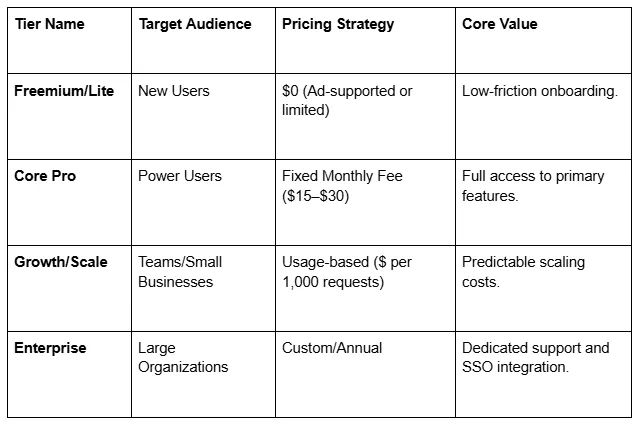
1. The Multi-Tiered Subscription Model
The days of a single $9.99/month plan are gone. High-LTV apps now use "micro-subscriptions" and "feature-specific" unlocks.
2. Embedded Finance: The New Growth Engine
By 2026, embedded finance will exceed $7 trillion in transaction value. For apps, this means moving beyond simple "checkouts" to becoming a financial partner for the user.
Contextual Lending: Offering a "Buy Now, Pay Later" option for high-ticket in-app items (like professional certifications or enterprise tools).
Branded Wallets: Allowing users to hold balances within the app, reducing transaction fees and increasing "stickiness."
Section 2: The Math of Success - Calculating High LTV
To manage a modern stack, you must master the unit economics. The fundamental goal in 2026 is an LTV to CAC ratio of 3:1 or higher.
The 2026 LTV Formula
In 2026, we calculate LTV by factoring in the average revenue per user (ARPU), gross margin, and the churn rate.
$$LTV = \frac{ARPU \times Margin}{Churn}$$
Where:
ARPU: The total revenue (Subscriptions + IAP + Embedded Finance) divided by the user count.
Margin: The percentage of revenue retained after app store fees (now often bypassed via Web2App flows) and infrastructure costs.
Churn: The percentage of users who stop using the service in a given period.
Section 3: Strategic Implementation by App Category
Not every monetization method works for every app. Following the "Use Cases" method, we can break down the ideal stack for different niches.
Productivity & SaaS
For these apps, usage-based pricing is king. Much like cloud compute pricing, users pay for what they consume—be it AI tokens, storage, or "seats."
The "Replit Method": Providing a base layer for free to build the community, then scaling costs with professional-grade tools like dedicated deployments and high-resource environments.
Health & Wellness
The shift here is toward Bundled Value. A fitness app might partner with a sportswear brand or a meal-kit service, integrating affiliate commerce directly into the workout tracker.
Section 4: Hidden Costs and What to Watch Out For
Just as Replit users must watch for "resource limits," app owners must be wary of "monetization leakage."
App Store "Tax": While Apple and Google have opened to alternative payments, managing your own payment flow adds operational complexity and security burdens.
Churn Management: Subscription models provide predictable revenue, but only if you continuously deliver value.
Privacy Compliance: 2026 regulations mean you cannot simply "sell user data." Monetization must be anonymized or based on first-party intent signals.
Synergy Labs: Your Partner in Building the 2026 Stack
At Synergy Labs, we don't just build apps; we build business ecosystems. Our "Director of Product" approach ensures that monetization is baked into your app’s architecture from Day 1—not tacked on as an afterthought.
Whether you are looking to:
Transition from an ad-based model to a high-LTV subscription stack.
Integrate embedded finance to increase user retention.
Deploy AI-driven dynamic pricing to capture global markets.
Synergy Labs provides the technical expertise and strategic oversight to ensure your app thrives in the competitive landscape of 2026.
Frequently Asked Questions (FAQ)
Q: Is it still possible to use ads at all in 2026?
A: Yes, but they should be Rewarded Ads or Native Integrations that offer value (e.g., extra credits for watching a 15-second clip) rather than disruptive banners.
Q: How do I choose between Subscriptions and In-App Purchases (IAP)?
A: Use subscriptions for ongoing utility and content access. Use IAPs for "spike" value—one-time boosters, exclusive digital goods, or seasonal events.
Q: What is a "Web2App" flow and why should I care?
A: This allows you to process payments on your own website before the user downloads the app, potentially saving you the 15-30% platform commission.
Partner with a TOP-TIER Agency
Ready to get started on your project?
Schedule a meeting via the form here and we’ll connect you directly with our director of product—no salespeople involved. Prefer to talk now? Give us a call at + 1 (645) 444 - 1069.
Tell us a bit about your project and we’ll reach out shortly. Let's build your ideal tech stack and align development with business growth.


.avif)

.avif)


