Wanting to shop sustainably is easy — knowing which companies actually walk the talk is harder. These apps do the research so you can vote with your dollars more confidently.
Your Guide to Conscious Consumerism in the Digital Age
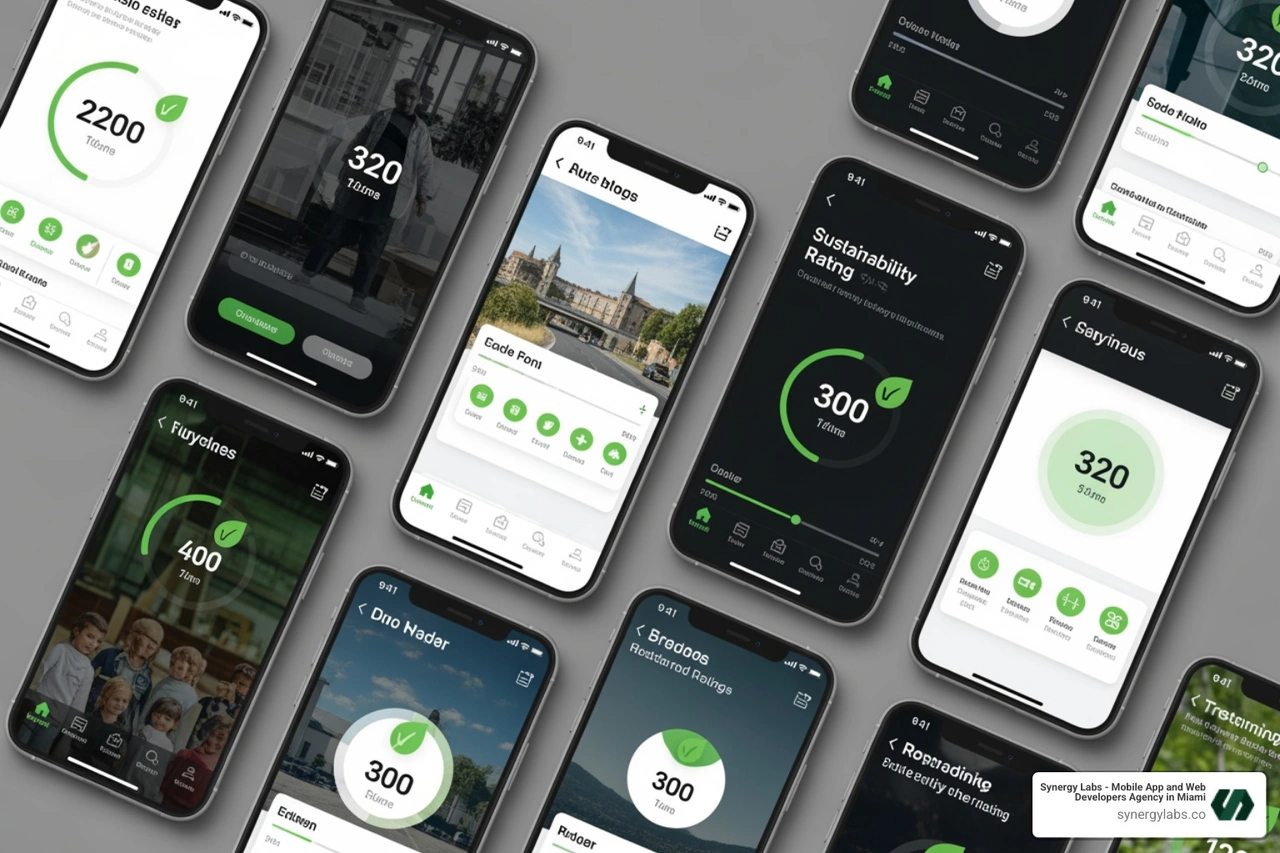
Many people want to support companies that do good for the planet, but identifying truly green businesses is challenging. An app that rates how environmentally friendly companies are solves this by making it easy to see a company's real-world impact.
Here are some top examples of tools in this space:
A fashion-focused ratings app: Evaluates fashion brands on ethical and sustainable practices across their supply chains.
A broad ethical shopping guide: Provides detailed ratings for thousands of companies based on long-term research into their social and environmental impact.
A simple environmental scoring app: Gives clear 1–5 environmental scores for companies so you can compare options at a glance.
An ethical product and services guide: Offers in-depth analysis and ratings for a wide variety of product categories and sectors.
A local “green near me” app: Aims to provide user-generated ratings for local businesses based on their observable sustainability practices.
As demand for eco-friendly products grows, consumers want to "vote with their dollars" for transparent, responsible businesses. These tools empower people to make value-aligned choices, pushing companies toward greater accountability.
As experts in consumer empowerment tools, we've seen the rising demand for an app that rates how environmentally friendly companies are. At Synergy Labs, we create innovative solutions that bridge the gap between consumer intent and action, driving positive environmental change.
Why We Need an App That Rates How Environmentally Friendly Companies Are
At Synergy Labs, we know consumers want to live sustainably, but the path is often unclear. An app that rates how environmentally friendly companies are bridges the gap between good intentions and informed action.
Imagine standing in a store, wanting to buy a product, but having no easy way to know if the company behind it is ethical. Information is often scattered, complex, or buried in corporate reports. This information overload makes it difficult to compare businesses effectively.
A major challenge is "greenwashing," where companies make misleading claims about their environmental efforts. A lack of supply chain transparency further complicates things. Without clear, comparable data, consumers are left guessing, and their power to vote for a better world is diluted.
These apps cut through the noise by translating complex data into simple scores or grades. This accessibility empowers consumers to align their spending with their values, creating market pressure for companies to adopt genuinely sustainable practices. It's about giving consumers the tools to hold companies accountable and drive real change.
Decoding Corporate Responsibility
Understanding a company's impact requires a holistic view of its Environmental, Social, and Governance (ESG) performance. An app that rates how environmentally friendly companies are must consider these pillars for a comprehensive picture.
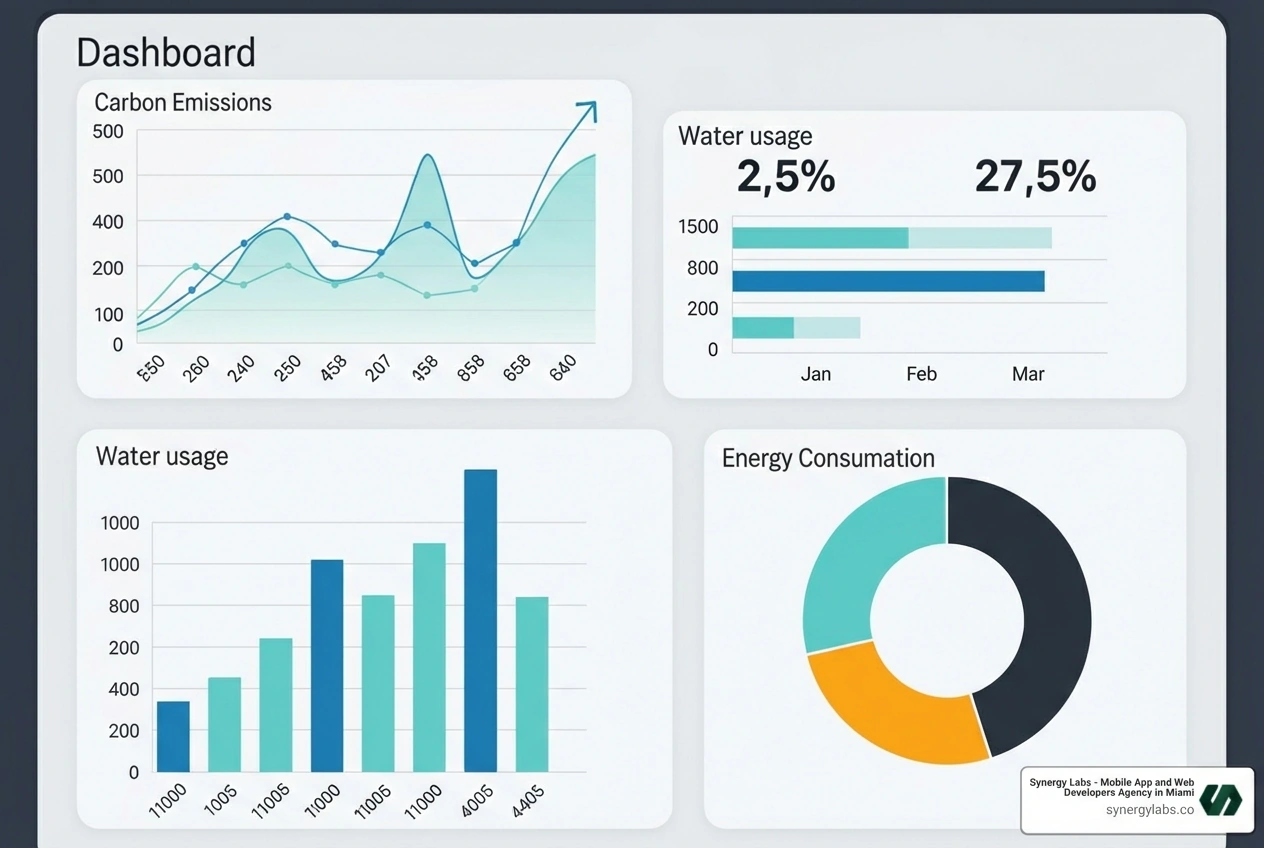
Environmental (E): Assesses a company's impact on the planet, including carbon emissions, energy use, water consumption, waste, and pollution.
Social (S): Examines how a company treats people, covering labor practices, fair wages, diversity, community engagement, and supply chain ethics.
Governance (G): Looks at a company's leadership and ethics, including transparency, compliance, board accountability, and financial responsibility.
The need for a review platform for green businesses is clear, especially for finding sustainable local businesses in cities from Miami to London. Integrating these tools with AI can further improve their impact.
The effectiveness of these apps hinges on gathering, processing, and presenting complex information simply. Common approaches include:
Data Aggregation: Apps pull data from public research, government, and non-profit sources, building a rich foundation of evidence.
Crowdsourcing: Some apps leverage user-generated content. Users report on observable practices (e.g., use of plastic straws), generating simple, intuitive ratings based on collective observation.
Third-Party Certifications: Information from established certifications (like Fairtrade or B Corp) and company sustainability reports provides a layer of expert validation.
Complex Algorithms: Sophisticated systems measure thousands of data points and use algorithms to calculate scores. Academic validation often ensures the rigor and objectivity of these methods.
Simple Rating Systems: The goal is always clarity. Apps translate detailed findings into at-a-glance ratings, like a 1–5 score, an A–F grade, or simple terms like "strong performer" or "we avoid." This empowers consumers to make quick, informed decisions.
Top Eco-Friendly Apps Making a Difference
Let's explore some leading applications helping consumers in cities like New York City, London, and Dubai make greener choices. These apps show the diverse ways technology can empower sustainable living.
For the Ethical Fashionista
For fashion lovers who want to shop responsibly, there are dedicated tools that focus solely on the fashion industry and offer ethical ratings for thousands of brands.
The strongest tools in this space typically evaluate brands on their impact on people (labor practices), planet (environmental impact), and animals (welfare policies). Clear rating systems help users quickly understand a brand's performance. For example, outdoor brands that invest heavily in durability and repair programs tend to score well, while ultra-fast-fashion brands that rely on low-cost, high-volume production often fall behind.
These kinds of apps guide fashion-conscious consumers in cities from San Francisco to Chicago toward more sustainable wardrobe choices.
If you're looking beyond fashion, broad ethical shopping guides can help you assess companies across many sectors. These platforms translate data from thousands of businesses, often compiled over decades from numerous reliable sources.
They typically condense information into key categories such as human rights, environmental impact, animal protection, community involvement, and social justice. By providing detailed insights, these tools empower consumers from Doha to Phoenix to "vote with their dollars" for businesses that align with their ethical standards.
For Tracking Your Personal Impact
While many apps rate companies, others help us improve our personal environmental footprint. Some carbon-footprint trackers analyze your activities and spending, offering personalized tips to reduce your impact. Think of them as a personal eco-coach in your pocket—minus the whistle—guiding your choices in cities like Austin or Riyadh.
Other apps gamify sustainable living. They turn green habits—like recycling or using public transport—into fun challenges where you earn badges and points. This interactive approach encourages users in places like Hartford and Chicago to adopt sustainable behaviors through positive reinforcement.
For more insights into balancing technology with a healthy lifestyle, read about digital well-being.
For Greener Habits in Everyday Life
Some tools integrate sustainability directly into everyday routines.
For example, some search engines dedicate their ad revenue to environmental projects such as tree planting, allowing users from Miami to London to have a positive impact without radically changing their habits.
Similarly, some global directories of vegan and vegetarian-friendly restaurants simplify finding sustainable dining options in hundreds of countries, helping users discover delicious, lower-impact food choices.
The Nitty-Gritty: How Sustainability Ratings Work
When we talk about an app that rates how environmentally friendly companies are, we're delving into a complex world of data and algorithms designed to convert vast amounts of raw information into understandable ratings.
The process involves:
Defining Methodologies: Each system creates a framework defining key factors, their weighting, and performance benchmarks, which are often published for transparency.
Collecting Data: Data is gathered from diverse sources like company reports, third-party certifications (e.g., B Corp, Fairtrade), government and non-profit databases, media monitoring, and sometimes user-generated content.
Applying Algorithms: Collected data is fed into algorithms that process the information and calculate a score or grade based on the predefined methodology.
Academic Validation: To ensure credibility, many advanced rating systems undergo academic validation. Experts review the methodology to confirm its scientific rigor, which is crucial for building consumer trust.
As some leading methodologies state, the process involves measuring thousands of data points, applying complex algorithms, and having academics validate the entire process. This commitment to rigor helps ensure the ratings are as accurate as possible.
What Factors Does an app that rates how environmentally friendly companies are consider?
These apps consider a diverse blend of environmental, social, and governance factors. Here’s a breakdown of common considerations:
Environmental Impact:
Carbon emissions and climate commitments.
Renewable energy usage.
Water consumption and pollution.
Waste management and circular economy initiatives.
Social Responsibility:
Labor practices and worker rights (fair wages, safe conditions).
Supply chain ethics (absence of forced or child labor).
Diversity and inclusion policies.
Community involvement and social impact.
Animal welfare policies.
Governance & Ethical Practices:
Corporate ethics and transparency.
Board accountability and diversity.
Product safety and responsible marketing.
Tax transparency and fiscal responsibility.
These ESG pillars provide a comprehensive view, allowing consumers in Miami or London to make choices that align with a broad spectrum of ethical values. Keeping up with these factors is part of broader tech trends.
Limitations and Potential Biases of Rating Systems
While incredibly valuable, these apps have limitations and potential biases that are important to understand.
Data Availability: Gathering accurate, up-to-date data is difficult, especially for smaller companies or complex global supply chains. Verifying company claims is also a major challenge.
Subjective Weighting: Deciding which sustainability factors are most important and how to weight them can be subjective, reflecting the values of the rating organization.
"Greenwashing": Companies can strategically present data to appear more sustainable than they are, which can mislead rating systems and consumers.
Outdated Information: A company's practices can change quickly, and maintaining real-time information for every entity is a significant operational challenge.
Oversimplification: Reducing a company's entire ESG impact to a single score or grade inevitably simplifies complex issues. A company might excel in one area but lag in another.
Comparison to Traditional Research: Apps are a great starting point but don't always replace the depth of traditional research from academic papers or investigative journalism.
Recognizing these nuances allows us to use these powerful tools more effectively and critically.
The Future of Corporate Responsibility and Consumer Tech
The landscape of corporate responsibility is evolving rapidly, with technology like an app that rates how environmentally friendly companies are at the forefront. The future points towards even greater transparency and accountability, driven by consumer demand and the urgency of environmental challenges.
Artificial Intelligence (AI) is set to revolutionize sustainability ratings. AI will analyze vast datasets—from company reports to satellite imagery—to provide real-time, predictive scores. This will make these apps even more powerful, helping to identify greenwashing and analyze complex supply chain risks. The rise of AI search engines is already changing how we access information, and its application here will be transformative.
Furthermore, cloud computing is essential for scaling these apps. As detailed in our article, How Cloud Computing is at the Heart of Today’s Mobile App Scalability, cloud infrastructure provides the power and flexibility to handle the immense data processing required for comprehensive sustainability ratings. It ensures an app that rates how environmentally friendly companies are can grow and adapt to future demands.
How an app that rates how environmentally friendly companies are encourages change
These apps are catalysts for corporate change in several key ways:
Consumer Purchasing Power: They enable "voting with dollars." When consumers can easily choose sustainable options, it creates a powerful market signal that rewards responsible companies.
Brand Reputation: Poor sustainability ratings can damage a brand's reputation and impact sales, while high ratings offer a competitive advantage. This market pressure incentivizes businesses to improve.
Benchmarking Performance: Apps allow companies to benchmark their performance against peers and identify areas for improvement, driving a continuous cycle of progress.
Driving Innovation: Consumer demand for sustainability, amplified by app-driven transparency, encourages companies to invest in greener technologies and more ethical supply chains.
Shifting Corporate Behavior: When sustainability becomes a measurable metric influencing success, companies are compelled to integrate it into their core strategy.
By empowering consumers, these apps create a virtuous cycle where informed choices lead to market shifts, which in turn drive corporate accountability and innovation.
The Business of Doing Good
Sustainability is no longer just a moral imperative; it's a smart business strategy. Effectively managing ESG factors leads to tangible benefits, and an app that rates how environmentally friendly companies are helps highlight this.
Modern ESG rating and risk platforms enable businesses to manage environmental and social risk and compliance across their value chains, providing globally recognized, evidence-backed assessments. This kind of data empowers companies to:
Manage ESG Risk: Gain visibility into supply chain risks and streamline compliance.
Drive Decarbonization: Measure and reduce carbon emissions across the supply chain.
Win Business: Strong sustainability performance is a competitive advantage that can increase revenue.
Build Resilient Supply Chains: Use verified data to foster collaboration and drive improvement.
The scale of this trend is clear, with millions of companies being screened and rated globally. From Miami to Riyadh, businesses are realizing that doing good is, quite literally, good for business.
Building the "Green Yelp" You Wish You Already Had
The power of a well-designed app is clear, and the demand for tools that promote sustainability is only growing. If you have an innovative idea for a green social media app or the next game-changing sustainability platform, you need a development partner who can bring that vision to life—without turning your budget into an endangered species.
Synergy Labs specializes in creating high-quality, scalable mobile apps with a focus on user-centered design and robust security. Our unique model combines a U.S.-based CTO with a dedicated offshore development team, giving you strategic in-shore leadership and cost-efficient execution. You get top-tier talent at a fixed budget, so there are no unpleasant surprises halfway through the project.
With milestone-based payments, you only pay when we deliver, ensuring your project stays on track and on budget. This structure keeps everyone aligned on outcomes rather than hours, and helps move your idea from concept to launch efficiently.
If you're ready to build an app that rates how environmentally friendly companies are—or any sustainability-focused digital product—Synergy Labs can help you:
Turn complex ESG data into clear, intuitive user experiences.
Architect cloud-native, scalable platforms that can handle large datasets and real-time updates.
Integrate AI-driven features that surface insights, detect greenwashing, and personalize recommendations.
Ship faster and more reliably using an expert team that's already done this before.
Let's build a greener future, one app at a time. Explore how Synergy Labs' fixed-budget model, in-shore CTO plus offshore dev team, and milestone-based payments can de-risk your next project and help you launch the sustainability tool your users are waiting for: discover our services.



.avif)

.avif)


