Mobile apps are evolving from standalone tools into intelligent hubs — syncing wearables, IoT devices, and AI to deliver real-time health insights and a truly connected life.
The Connected Revolution: Why Wearable & IoT Integration Matters
Wearable & IoT Integration in Mobile Apps: Real-Time Health Tracking and a Truly Connected Life is fundamentally changing how we interact with technology, our health, and the world. If you're exploring this topic, here's the essential breakdown:
Quick Answer: What Wearable & IoT Integration Delivers
Real-Time Health Data: Apps collect continuous metrics like heart rate and sleep patterns from wearables, eliminating manual logging.
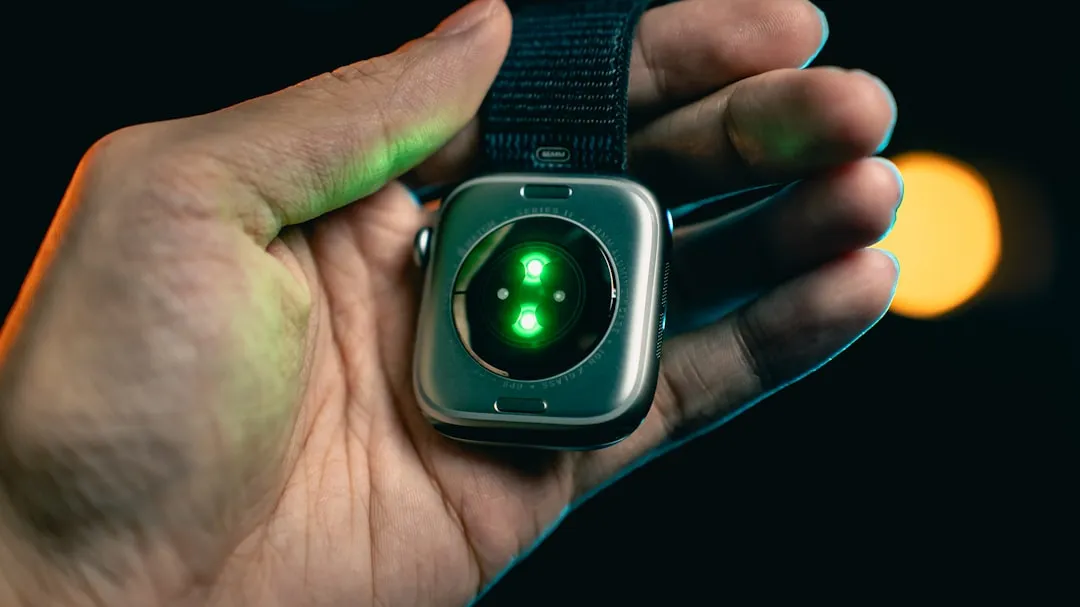
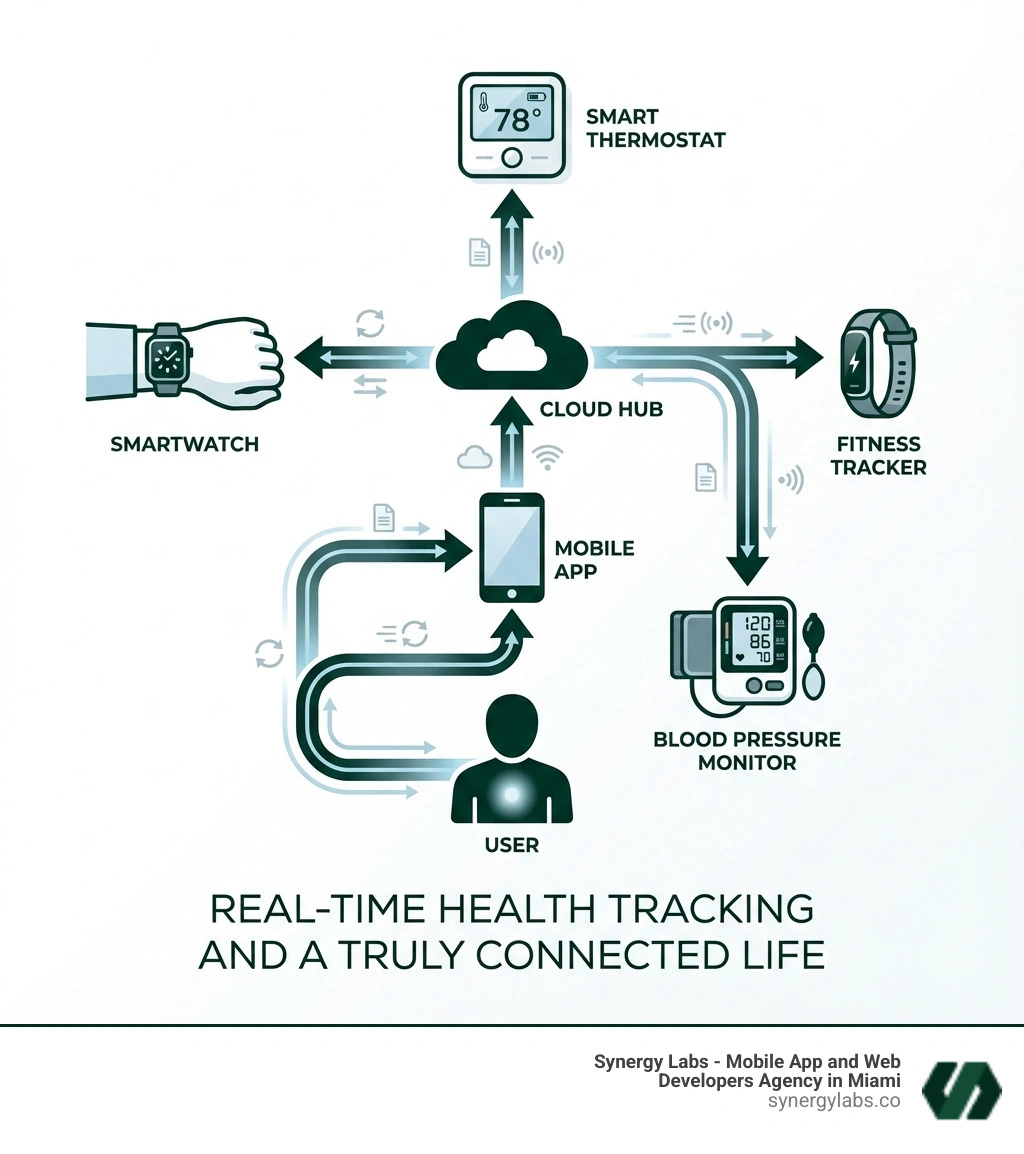
Seamless Connectivity: Mobile apps become central hubs, connecting smartwatches, fitness trackers, and smart home devices.
Proactive Insights: AI-powered apps analyze data to provide personalized recommendations and early health warnings.
Truly Connected Life: Beyond health, integration enables smart home automation, workplace safety, and contextual retail experiences.
Business Value: Companies report up to 40% higher user retention when apps integrate wearable features.
The world is increasingly connected, and mobile apps are evolving from standalone tools into intelligent digital partners. They bridge the physical and digital worlds through IoT integration, solving major user pain points like tedious manual data entry. When apps sync automatically with wearables, friction disappears, and users feel empowered, not burdened.
What began as simple step counting has evolved into sophisticated ecosystems where a smartwatch can detect an irregular heart rhythm and instantly alert both the user and their doctor. This isn't future tech—it's happening now, reshaping healthcare, fitness, and retail. The COVID-19 pandemic accelerated this shift, turning wearables from lifestyle gadgets into essential remote monitoring tools.
For businesses, the question isn't if you should integrate wearables and IoT, but how quickly you can do it securely and effectively. The technical challenges—device fragmentation, battery optimization, and data privacy—are significant, but the payoff is a powerful competitive edge.
As a tech partner at Synergy Labs, we've seen how Wearable & IoT Integration in Mobile Apps: Real-Time Health Tracking and a Truly Connected Life creates immense opportunities. Mastering this integration is what separates apps that users abandon from those they can't live without.
Common Wearable & IoT Integration in Mobile Apps: Real-Time Health Tracking and a Truly Connected Life vocab:
The Power of Connection: How Wearable & IoT Integration Improves Mobile Apps
The magic of Wearable & IoT Integration in Mobile Apps: Real-Time Health Tracking and a Truly Connected Life lies in changing passive tools into active, intelligent partners. For users, this means a smoother, more automated life. For businesses, it translates into deeper engagement and a significant competitive advantage.
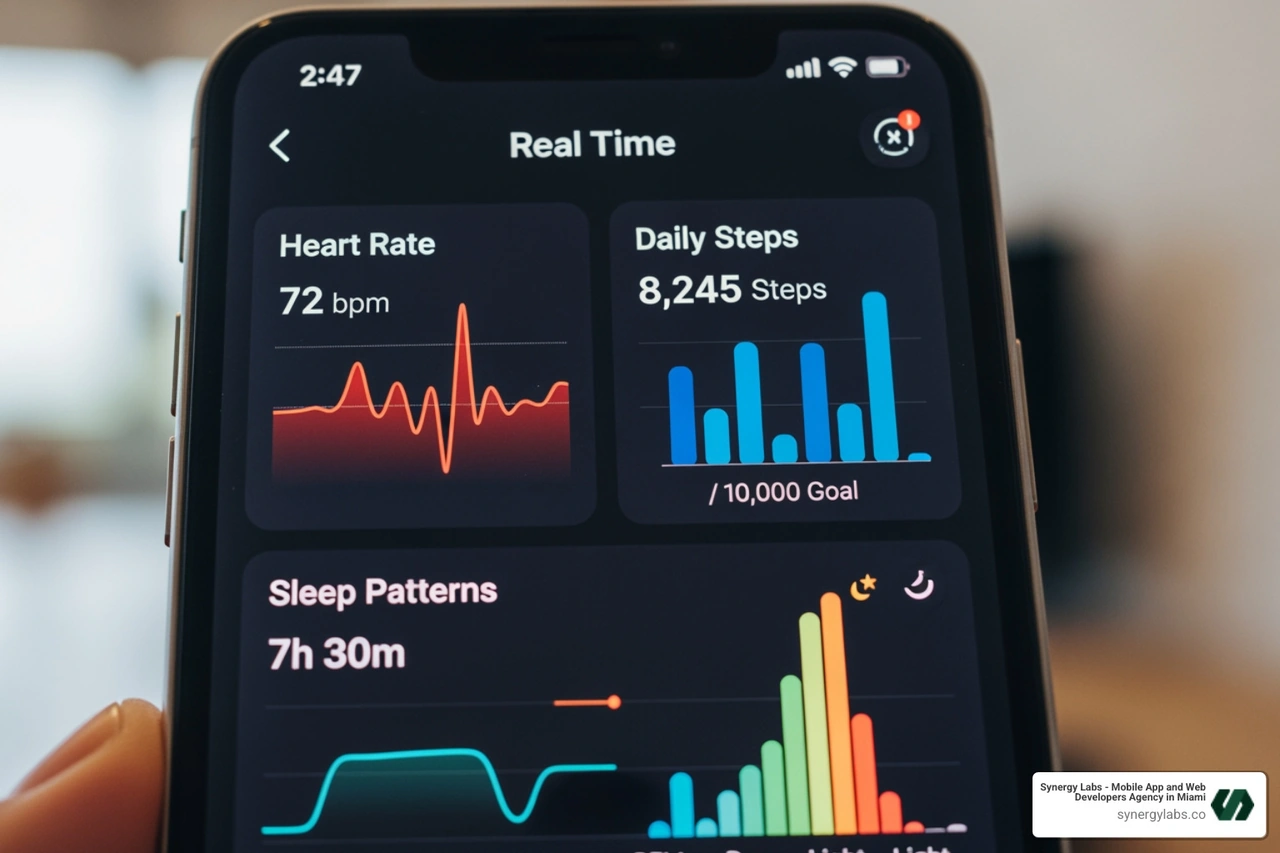
At its core, this integration enables seamless data collection. An app that automatically logs steps, heart rate, and sleep patterns from a smartwatch removes the friction of manual entry. This convenience is a key reason apps with wearable integration see user retention jump by as much as 40%. Users value the personalized insights derived from their actual behavior, not just stated preferences.
Beyond health, the power of connection extends into daily life. From smart home apps that learn your routines to adjust lighting and temperature, to retail apps offering location-based discounts, IoT-enabled mobile apps act as "invisible helpers." They work silently in the background, making life feel more intuitive.
Why Real-Time Data is a Game-Changer for Users
Real-time data is the heartbeat of a connected life, providing information with minimal delay to make interactions feel intelligent and immediate.
Effortless Tracking: Wearables do the heavy lifting, continuously streaming data to mobile apps. This ease of use is a major factor in overcoming app abandonment.
Instant Feedback: During a workout, seeing your heart rate and pace updated instantly on your phone helps you optimize performance, like having a personal coach in your pocket.
Proactive Alerts: An IoT-enabled app can alert a user to irregular heart activity, a sudden drop in blood sugar, or a potential fall. These immediate warnings can be life-saving, shifting healthcare from reactive to proactive.
User Empowerment: With real-time insights, users gain a deeper understanding of their health and habits, enabling them to make informed decisions and take control of their well-being.
Personalized Recommendations: An app that knows your sleep patterns can suggest a winding-down routine, while one that tracks stress can recommend a breathing exercise. This personalization fosters a strong connection with the application.
The Business Case for a Connected App Ecosystem
For businesses, integrating wearables and IoT is a strategic move with significant returns.
Rich User Insights: Continuous data from connected devices provides an unprecedented trove of information about user behavior, preferences, and needs, allowing for constant product improvement.
Stronger Customer Relationships: When an app anticipates a user's needs or offers timely, personalized advice, it builds a powerful emotional connection and fosters loyalty.
Market Differentiation: In a crowded market, seamless integration with popular wearables and IoT devices is a powerful differentiator that showcases innovation.
Higher Retention Rates: As mentioned, apps with wearable integration report retention jumps of up to 40%, leading to a more stable user base and higher lifetime value.
New Revenue Streams: A connected ecosystem opens doors to diverse monetization opportunities, from premium features to partnerships with device manufacturers or healthcare providers.
Future-Proofing Your Business: The world is moving towards hyper-connectivity. Businesses that accept Wearable & IoT Integration in Mobile Apps: Real-Time Health Tracking and a Truly Connected Life now are positioning themselves for long-term success.
For businesses looking to capitalize on these opportunities, our team at Synergy Labs offers comprehensive mobile app development services designed to integrate cutting-edge IoT and wearable technologies seamlessly. More info about our mobile app services.
Real-World Impact: Industries Transformed by IoT-Enabled Mobile Apps
The integration of IoT and wearable technology into mobile apps is a digital change agent, changing industries from personal well-being to operational efficiency.
Revolutionizing Healthcare and Wellness
Healthcare is one of the most significant beneficiaries of Wearable & IoT Integration in Mobile Apps: Real-Time Health Tracking and a Truly Connected Life, enabling a shift from reactive care to proactive health management.
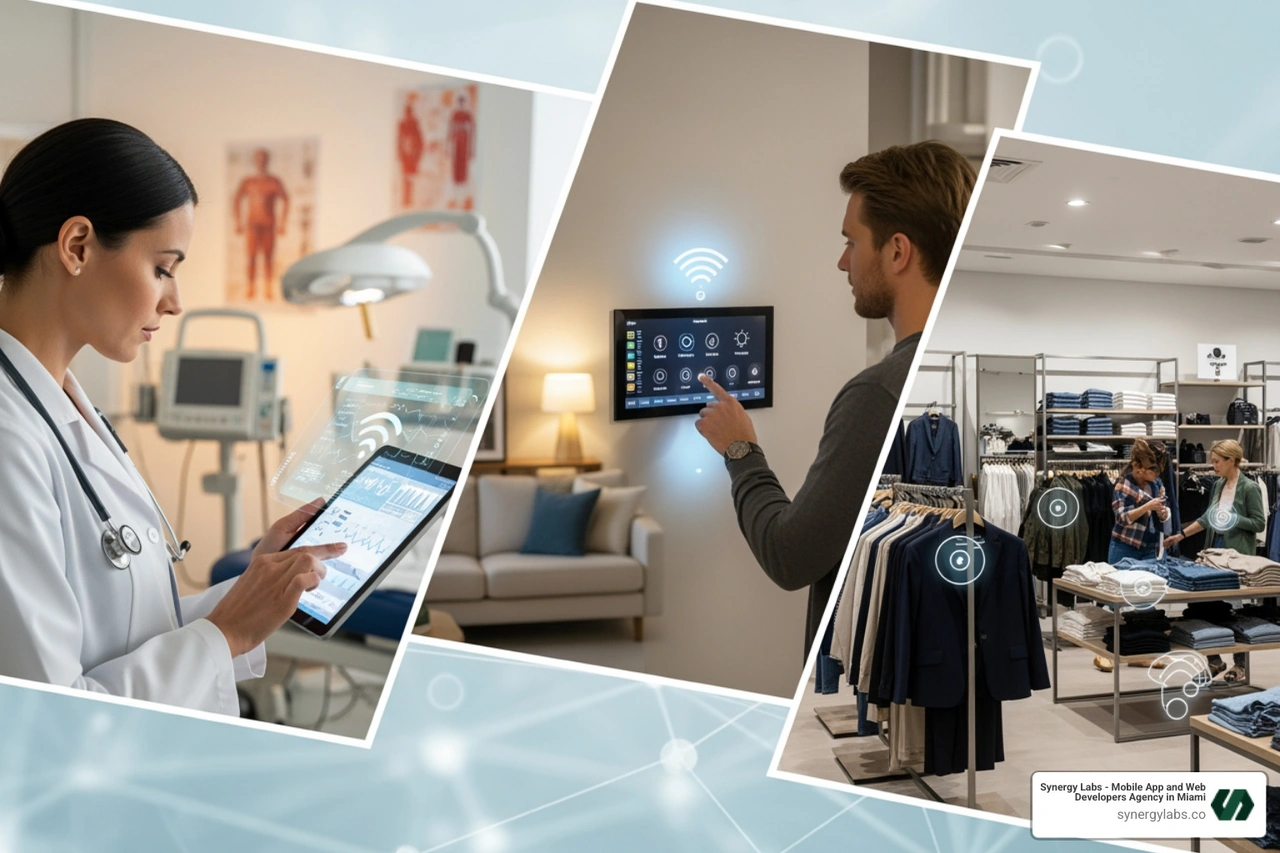
Remote Patient Monitoring (RPM): Wearables monitor vital signs like heart rate, blood pressure, and glucose in real-time. This data, sent to mobile apps, allows healthcare providers to monitor patients remotely, which is crucial for managing chronic diseases and preventing complications.
Chronic Disease Management: For conditions like diabetes or cardiovascular disease, wearables provide a constant data stream, allowing for early identification of irregularities and timely intervention. Studies show that remote monitoring can lead to better quality of life and improved survival rates for some patients.
Post-Op Recovery & Symptom Tracking: After surgery, wearables can monitor activity levels to aid recovery. Patients can also log symptoms in an app, enriched by objective data from their devices, providing doctors with valuable information.
Clinical Trials: Mobile and wearable apps standardize data collection in clinical trials, capturing more precise and frequent data. The Scientific research on a landmark heart study demonstrated the power of wearables in large-scale research.
Fitness and Wellness: Beyond medical use, wearables fuel fitness apps with real-time data for personalized workout plans, pace coaching, and sleep analysis, helping users optimize their health and create comprehensive wellness plans.
Creating a Truly Connected Life Beyond Health
While health is a prominent application, Wearable & IoT Integration in Mobile Apps: Real-Time Health Tracking and a Truly Connected Life improves our environments in many other ways.
Smart Home Control: Your mobile app becomes the command center for smart home devices. Imagine an app that, knowing how you slept, adjusts the thermostat and starts the coffee machine. These automated routines improve convenience, energy efficiency, and security.
Connected Retail: IoT sensors in retail stores create personalized shopping experiences. An app can detect a customer's location and send custom discounts for the aisle they're in, making them feel understood by the brand.
Workplace Safety Monitoring: In industrial settings, wearables can monitor employee well-being, detect fatigue, or alert supervisors to falls or other dangers. This helps prevent accidents and creates a safer, more productive work environment.
Personalized Experiences: The principle extends everywhere: music apps curating playlists based on biometric-detected moods, or smart vehicles notifying owners of potential engine issues. Technology anticipates our needs and integrates seamlessly into our lives.
The Developer's Roadmap: Technical Challenges and Solutions in Wearable & IoT Integration in Mobile Apps: Real-Time Health Tracking and a Truly Connected Life
Developing mobile apps that seamlessly integrate with wearables and IoT devices is complex. As developers at Synergy Labs, we steer a landscape of device fragmentation, data management intricacies, and stringent security requirements to deliver robust, user-friendly solutions.
Navigating the Technical Maze of Connectivity and Compatibility
One of the primary problems in Wearable & IoT Integration in Mobile Apps: Real-Time Health Tracking and a Truly Connected Life is the sheer diversity of devices.
Device Fragmentation: The market is saturated with wearables from countless manufacturers, each with unique ecosystems. Ensuring broad compatibility is a primary development challenge.
Battery Drain Optimization: Constant communication between a wearable and a mobile app can kill batteries. We employ smart strategies like reducing unnecessary syncing and using power-efficient protocols.
Connectivity Protocols: Choosing the right communication method is crucial. Bluetooth Low Energy (BLE) is often preferred for direct wearable connections, while protocols like WebSockets or MQTT are used for real-time cloud data streams.
Offline Support: Robust offline support is essential. Data must be collected when the internet drops and synced once connectivity is restored to prevent data loss and maintain user trust.
Platform-Specific APIs: Both major mobile operating systems offer health data platforms. Developers use native health data APIs for iOS and Android, which requires specialized expertise to navigate.
Development Time: Even basic integration is time-consuming. A simple smartwatch integration to pull heart rate data might take 2-4 weeks, with more advanced features extending the timeline significantly.
Designing for Data: UI/UX in the Age of Real-Time Information
The user experience in IoT-enabled apps is paramount. Data must be presented intuitively to empower users.
Intuitive Dashboards: We design clear, concise dashboards that highlight key metrics and trends, making complex information digestible.
Actionable Alerts: Notifications must be timely and relevant to avoid "permissions fatigue." The goal is to provide genuinely helpful alerts, not just noise.
Data Visualization: We transform raw numbers into engaging charts, graphs, and heatmaps that tell a story about a user's health and activity.
Seamless Onboarding: We use progressive permission requests, explaining why data is needed at the moment it becomes relevant, rather than bombarding users upfront.
User Control: Users must feel in control. We design interfaces that allow them to easily view, manage, and delete their information, which builds trust.
Fortifying the Fort: Security and Privacy in Health Data Collection
With sensitive health data, security and privacy are foundational. A breach can erode trust instantly.
Sensitive Data Protection: We implement robust security measures to protect health data at every stage: collection, transmission, and storage.
Encryption Standards: All data, at rest or in transit, is encrypted using industry-standard protocols like end-to-end encryption and TLS/SSL.
Secure APIs: APIs are secured with rigorous authentication (like OAuth 2.0) and authorization protocols to ensure only authorized entities can access information.
User Consent & Compliance: We adhere strictly to regulations like HIPAA guidelines for health data and GDPR. Our apps clearly communicate what data is collected and obtain explicit user consent.
Data Anonymization: Where appropriate, we anonymize data before analysis to safeguard individual privacy while still deriving valuable insights.
The Future is Now: Emerging Technologies and the Outlook for Connected Apps
The journey of Wearable & IoT Integration in Mobile Apps: Real-Time Health Tracking and a Truly Connected Life is far from over. It's an evolving landscape shaped by groundbreaking technologies that are paving the way for a future of hyper-personalization and predictive analytics.
The Catalysts of Connection: AI, 5G, and Edge Computing
Three technological pillars are accelerating the capabilities of connected apps:
Artificial Intelligence (AI) and Machine Learning (ML): AI is becoming the "emotional engine" of IoT apps, moving beyond simple data logging to interpret complex patterns and predict user needs. By 2026, IoT-powered apps will not just react; they will anticipate.
5G Connectivity: The global rollout of 5G, with its ultra-fast speeds and low latency, enables instant communication between devices. This is crucial for critical health alerts and highly responsive user experiences.
Edge Computing: Processing data locally on the device, a concept known as edge computing, reduces latency and improves security by minimizing cloud dependency. This gives users a more reliable and secure experience.
A Glimpse into Tomorrow: The Future of Wearable & IoT Integration in Mobile Apps: Real-Time Health Tracking and a Truly Connected Life
Looking ahead, the outlook for connected apps is revolutionary. By 2026, we anticipate a world where technology doesn't just respond to our commands but truly anticipates our needs.
Predictive Health Management: Wearables will move beyond tracking to predicting. AI-powered analytics will forecast potential health issues before symptoms appear, offering personalized interventions.
Deeper Healthcare System Integration: We'll see tighter integration of wearable data into electronic health records (EHRs), empowering doctors with a real-time view of patient health for more precise diagnoses.
Non-Invasive Monitoring: Smarter sensors will enable non-invasive monitoring of complex metrics, such as continuous blood glucose levels without needles or early cancer detection via smart patches.
Smart Textiles and Invisible Tech: Wearables will become even more seamless, woven into smart textiles or integrated into everyday items like earbuds, making the technology truly "invisible."
Augmented Reality (AR) Overlays: Imagine fitness apps providing AR overlays to guide your form or health apps visualizing physiological data in an immersive environment. Cross-device intelligence will blur the lines between the digital and physical worlds.
The future of Wearable & IoT Integration in Mobile Apps: Real-Time Health Tracking and a Truly Connected Life is deeply human, focused on making us feel empowered, understood, and safe.
Frequently Asked Questions about Wearable & IoT App Integration
We often hear similar questions from founders eager to dive into connected apps. Here are some of the most common ones we address:
What are the most-used features in wearable-connected wellness apps?
Data shows users consistently engage with features that remove friction from daily life. While advanced metrics are interesting, the most-used features are the basics:
Automatic Step Counting: Effortless activity tracking logged by wearables.
Real-Time Heart Rate Monitoring during Workouts: Provides instant feedback for optimizing exercise intensity.
Sleep Tracking: Offers insights into sleep patterns without any active user input.
The lesson is clear: perfect the core, high-frequency features first to ensure user retention and build a solid foundation before adding more complex functionalities.
How long does it take to add basic wearable integration to an app?
The development timeline varies based on complexity, but here are some general estimates:
Basic Data Sync (e.g., from a smartwatch for heart rate/steps): A basic integration to pull common health data and display simple notifications typically takes 2-4 weeks.
Advanced Features (e.g., custom workout tracking, multi-metric analysis): More sophisticated features like real-time pace coaching or sleep cycle analysis could take 6-12+ weeks.
Multi-Device IoT Integration (complex ecosystems): Integrating with a broad range of IoT devices or building a custom real-time data pipeline could extend to 12-20 weeks or more.
Factors affecting this timeline include the number of supported devices, the depth of integration, and the complexity of the UI/UX.
What are the key security risks with IoT health apps and how can they be mitigated?
Collecting sensitive health data introduces critical security and privacy risks that must be addressed.
Key risks include:
Data Breaches: Unauthorized access to personal health information (PHI).
Unauthorized Access: Malicious actors gaining control of IoT devices or app accounts.
Insecure Communication: Data intercepted during transmission between devices and servers.
Device Vulnerabilities: Flaws in the device firmware or software creating entry points for attackers.
Mitigation strategies we implement include:
End-to-End Encryption: Encrypting all data at rest and in transit to ensure it remains unreadable if intercepted.
Robust Authentication: Implementing multi-factor authentication and biometrics to ensure only authorized users can access data.
Secure APIs: Using secure communication protocols (like HTTPS) and designing APIs with security best practices.
Regular Security Audits: Proactively identifying and patching vulnerabilities through penetration testing.
Transparent Privacy Policies: Clearly communicating data collection practices and obtaining explicit user consent to build trust and ensure compliance with regulations like HIPAA and GDPR.
Building Your Connected Future, One App at a Time
The shift from standalone mobile applications to intelligent, connected ecosystems is the defining characteristic of our digital future. Wearable & IoT Integration in Mobile Apps: Real-Time Health Tracking and a Truly Connected Life is making technology more human-centric, intuitive, and seamlessly woven into our daily lives. From revolutionizing healthcare to making our homes smarter, the benefits are profound for both users and businesses.
This journey demands expertise, foresight, and a meticulous approach to development, especially when navigating the complexities of diverse devices and data security. At Synergy Labs, we are more than just developers; we are strategic partners who understand the nuances of this connected revolution. With our presence in key innovation hubs like Miami, New York City, San Francisco, London, Austin, and Dubai, we are uniquely positioned to help startups and enterprises harness the power of IoT and wearable technology.
We believe the future is connected, and we're here to help you build it. Take the next step towards creating a solution that not only meets market demands but also builds meaningful connections with your users.


.avif)

.avif)


